


The Art of Scone Making: A Timeless Tradition
Updated: Aug 16
A Little History in Every Bite
The scone’s origins trace back to Scotland, where early versions were more like rustic rounds baked on griddles. Over time, they evolved into the tender oven-baked pastries we know today. In England, the ritual of splitting a scone, spreading jam, and topping it with clotted cream became inseparable from afternoon tea. Whether you lean “jam first” (the Cornish way) or “cream first” (the Devonshire way), one thing is certain: the scone has earned its place as a cultural icon.
What Makes the Perfect Scone?
It’s deceptively simple: flour, baking powder, butter, one egg, vanilla, cream, sugar, and a touch of salt. But the secret lies in the technique.
Cold butter: ensures that crumbly, flaky texture.
Gentle mixing: too much handling and you’ll lose the tenderness.
Balanced sweetness: the scone itself shouldn’t be a dessert—it’s the canvas for your jam and cream.
Freshness: scones are best enjoyed the day they’re made, warm if possible, but even at room temperature they shine when paired with good tea.
Modern Twists on a Classic
While the classic plain scone is timeless, bakers around the world have added their own flair. You can find cranberry-orange scones in the U.S., matcha scones in Japan, and seasonal versions with pears, ginger, or chocolate chips. These variations prove that the scone is endlessly adaptable while still retaining its comforting essence.
Where to Experience the Perfect Scone
Of course, making your own scones at home can be a joy (and a bit of a weekend project). But sometimes it’s more memorable to let someone else handle the baking while you simply savor. At Tea with Meredith, our scones are handmade with care, served with handmade clotted cream (my pride and joy takes 2 days to make) and farm fresh jams, and paired with seasonal teas. They’re meant to be the centerpiece of a pause in your day—a little reminder that elegance and comfort can fit into an afternoon.
The Ritual of Afternoon Tea
Afternoon tea is more than just a meal; it’s a cherished ritual. The act of gathering around a table, sharing stories, and enjoying delightful treats creates lasting memories. The scone, with its rich history and comforting presence, plays a vital role in this experience.
The Social Aspect of Scones
Sharing scones with friends or family can enhance the experience. It fosters connection and conversation. Whether you’re celebrating a special occasion or simply enjoying a quiet afternoon, the scone brings people together.
Pairing Scones with Tea
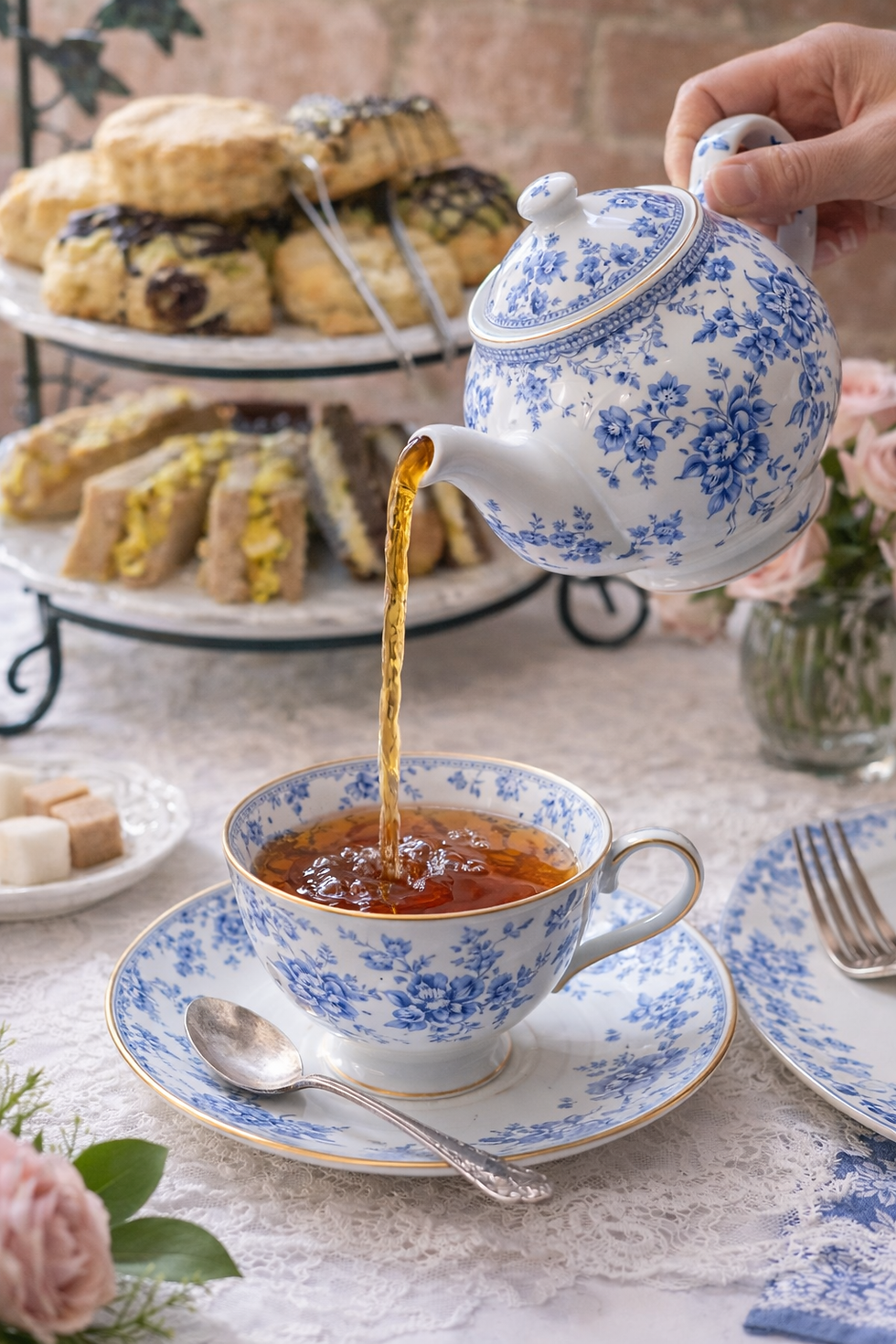
Choosing the right tea to accompany your scone can elevate the experience. A robust black tea complements the richness of clotted cream, while a delicate green tea can enhance the flavors of fruity jams. Experimenting with different pairings can lead to delightful discoveries.
A Final Thought
The perfect scone isn’t just about flavor or texture. It’s about what it represents: slowing down, connecting with others, and enjoying a ritual that’s been beloved for centuries. Next time you break one open, take a breath, sip your tea, and know you’re part of a tradition that spans generations.
In conclusion, the scone is more than just a baked good; it’s a symbol of connection and comfort. Whether you enjoy it at home or in a quaint tea shop, the experience is sure to be memorable. So, embrace the tradition and savor every bite. The scone - anti-loneliness on a plate!

Ready to Plan Your Tea Party?
Tea with Meredith specializes in elegant afternoon tea experiences for birthdays, bridal showers, baby showers, and private gatherings throughout Westchester County, NY.
Start planning your event today:www.teawithmeredith.com/planyourevent
Inspiring Connections. Celebrating Life. Unforgettable Tea Experiences.


Comments